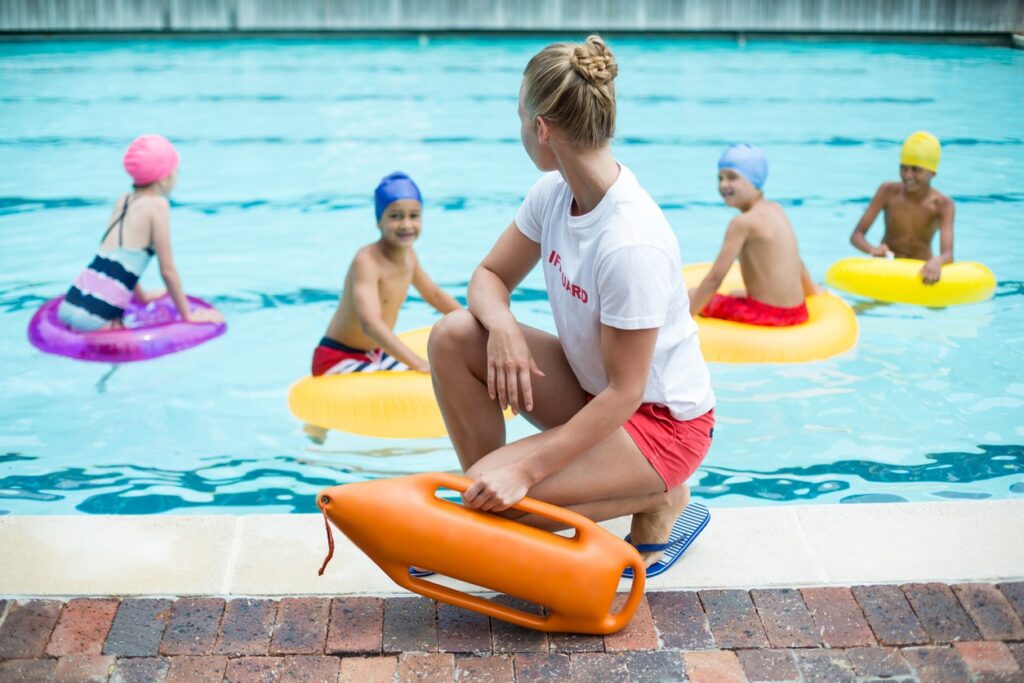
Swimming pools are synonymous with Florida living, offering relief from the heat and a gathering place for families and friends. However, behind the enjoyment lies a serious responsibility that both homeowners and guests must understand. Each year, hundreds of preventable accidents occur in residential swimming pools, leading to injuries, legal disputes, and tragic losses. Understanding the science of drowning prevention, Florida’s specific safety regulations, and the legal landscape of pool liability can make the difference between a safe summer and a devastating accident.
The Statistical Reality of Pool-Related Incidents
The numbers paint a sobering picture of swimming pool safety in the United States. According to the Consumer Product Safety Commission, an average of 358 children under the age of 15 fatally drowned in pools or spas annually between 2019 and 2021. The Centers for Disease Control and Prevention reports that drowning remains one of the leading causes of unintentional injury death, with approximately 4,000 drowning deaths occurring each year.
Florida ranks fifth in the nation for drowning deaths, significantly above the national average. What makes these statistics particularly tragic is that research consistently shows that the majority of these incidents are preventable through proper safety measures, supervision, and adherence to established protocols. For homeowners, understanding these risks is not just about avoiding tragedy; it’s also about understanding legal responsibility.
Florida’s Residential Swimming Pool Safety Act
Florida lawmakers recognized the drowning crisis and responded with the Residential Swimming Pool Safety Act, codified in Chapter 515 of the Florida Statutes. This legislation requires that all residential swimming pools constructed after October 1, 2000, must include at least one approved safety feature before passing final inspection.
Acceptable safety features under Florida law include a barrier or fence at least four feet high surrounding the pool, an approved safety pool cover, exit alarms on all doors and windows providing direct pool access, or self-closing and self-latching devices on doors and gates. These requirements aren’t merely suggestions; they represent the minimum legal standard that Florida homeowners must meet.
The Florida Department of Health emphasizes that these barriers create essential layers of protection, particularly for young children who may wander toward water without understanding the danger. From a scientific standpoint, these physical barriers significantly reduce unauthorized access and provide crucial seconds for intervention.
Understanding Homeowner Liability Under Premises Liability Law
Pool ownership in Florida comes with a legal duty of care that extends beyond family members to guests and, in certain circumstances, even trespassers. Under Florida’s premises liability framework, property owners must maintain their pools in a reasonably safe condition and warn visitors of known hazards.
This duty becomes particularly significant under the attractive nuisance doctrine. Florida courts recognize that swimming pools are inherently attractive to children, who may not appreciate the associated risks. As a result, homeowners can be held liable if a child accesses an unsecured pool and is injured, even if the child was technically trespassing.
When accidents occur due to negligence, such as broken pool equipment, inadequate fencing, lack of proper lighting, or failure to maintain required safety features, homeowners may face significant legal consequences. Injured parties or their families may seek compensation for medical expenses, pain and suffering, lost wages, and, in wrongful death cases, funeral costs and loss of companionship. Tampa Injury compensation attorneys frequently handle cases where pool safety violations have led to serious injuries, helping victims understand their rights and pursue appropriate compensation through Florida’s legal system.
Common Safety Hazards and Prevention Strategies
From an engineering and safety perspective, several common hazards contribute to pool accidents. Slippery surfaces around pool decks cause slip-and-fall injuries, particularly when combined with poor drainage or inadequate lighting. Chemical imbalances in pool water can cause respiratory issues or skin injuries. Defective or poorly maintained pool equipment, including faulty drain covers, poses entrapment risks, particularly for small children.
Lack of supervision remains the most critical factor in drowning incidents. The Consumer Product Safety Commission’s Pool Safely campaign emphasizes the importance of designated water watchers, adults who actively supervise swimmers without distraction from phones, conversations, or other activities. This concept of vigilant supervision is supported by cognitive science research showing that drowning is often silent and can occur in seconds, making continuous attention essential.
Homeowners can significantly reduce liability exposure by implementing comprehensive safety protocols: installing and maintaining proper barriers, posting pool rules and depth markers clearly, ensuring adequate lighting in pool areas, regularly inspecting and maintaining all equipment, and never allowing unsupervised access by children.
What Guests Need to Know
Guests also bear responsibility for pool safety. Before entering any pool, adults should identify the location of safety equipment such as life rings, shepherd’s hooks, and emergency contact information. Parents and caregivers must provide constant supervision of children, understanding that inflatable devices and pool toys are not substitutes for proper supervision or Coast Guard-approved flotation devices.
Guests should respect posted pool rules, avoid diving in shallow areas, and never swim under the influence of alcohol or drugs. Being aware of one’s own swimming abilities and staying within comfortable depth zones prevents many accidents. If you’re visiting an unfamiliar pool, take time to observe the layout, identify exits, and locate safety equipment before entering the water.
Creating a Culture of Safety and Accountability
Swimming pool safety in Florida requires a combination of engineering controls, legal compliance, and behavioral vigilance. Homeowners must understand that pool ownership is not just about providing entertainment; it carries serious legal obligations to protect others from harm. This means staying current with safety regulations, maintaining proper barriers and equipment, and fostering an environment where safety is the top priority.
Guests and visitors should approach pool environments with awareness and caution, understanding that even well-maintained pools pose inherent risks. Education, preparation, and respect for water safety protocols create the foundation for preventing accidents.
By understanding both the scientific principles of drowning prevention and the legal framework governing pool liability, Florida residents can better protect themselves, their families, and their guests. Whether you’re a homeowner ensuring compliance with state regulations or a guest enjoying summer recreation, knowledge of safety standards and legal responsibilities helps prevent tragedy and promotes accountability in our water-focused state.